Late Season Fishing Guide
The waters around Pass Christian, Mississippi—bordered by the Gulf of Mexico, Bayou Portage, Bogue Chitto Bay, and adjacent estuaries—stay productive into the late season. Here is a late season fishing guide for catching the best fish! As water temperatures cool and tides and bait movements change, anglers targeting speckled trout (spotted seatrout), sheepshead, redfish (red drum) and “head” (a regional shorthand sometimes used for black drum or large redfish concentrating on shell beds and structure) can find concentrated action if they match presentation, timing and locations to seasonal patterns.
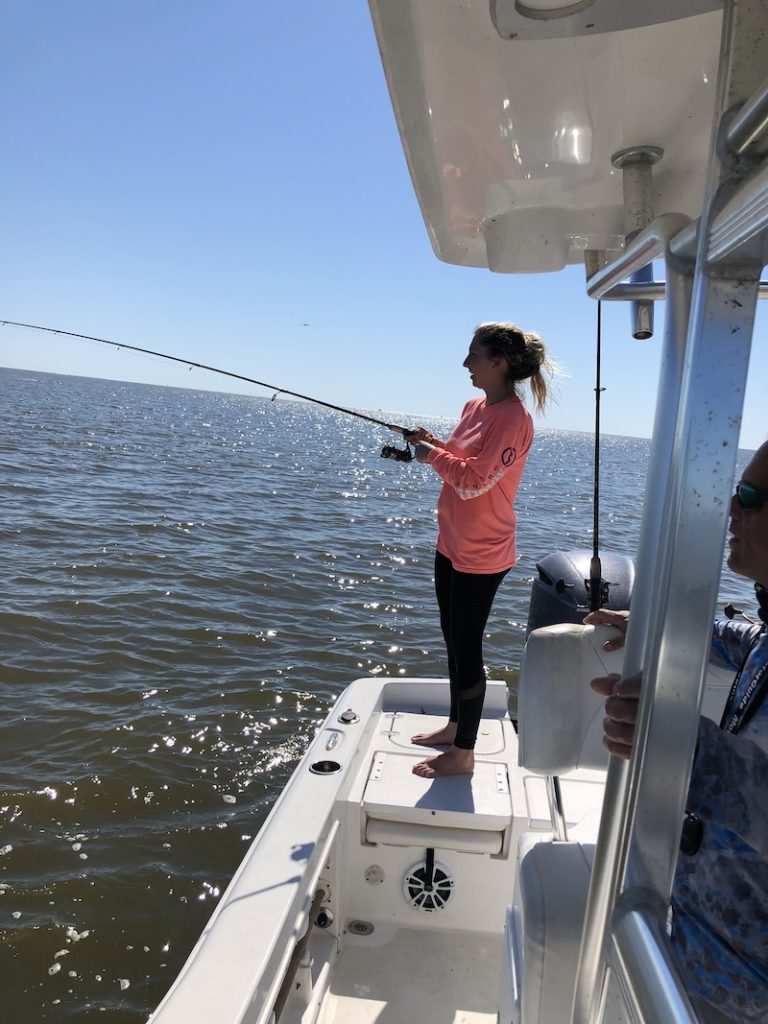
Where to Fish
- Pass Christian harbor, marinas and channel edges: Good for speckled trout and redfish during low-light periods and tidal exchanges.
- Bayous and small inlets (Bayou Portage, Bayou Caddy): Offer protected water with grass edges and deeper holes that hold trout and redfish.
- Oyster bars, pilings and bridge supports: Sheepshead and black drum (head) key on barnacles, oysters and crustaceans attached to vertical structure.
- Nearshore reefs and sandbars: In cooler months trout move to deeper grass edges and troughs; redfish stage on bars and flats adjacent to deeper water.
- The Back Bay and larger bays: Use these to find larger schools of trout and migrating redfish as they shift with baitfish.
Seasonal Behavior & Tactics
Speckled Trout
- Late-season trout often push into deeper cuts, troughs, and nearshore grass edges as they follow schools of shrimp and small baitfish. Cooler water concentrates baitfish, making trout more predictable.
- Best times: Early morning and late afternoon remain productive; overcast days and tidal exchanges (incoming or outgoing tides) can trigger feeding.
- Presentations: Use larger soft plastics (4–6 inch paddle tails, shrimp imitations) and live baits (pinned shrimp) when water is cooler and trout are less aggressive. Slow retrieve with intermittent twitches, or slow-rolling a weighted swimbait along the bottom.
- Line/Leader: 10–20 lb braided mainline with a 15–20 lb fluorocarbon leader for abrasion resistance around oyster beds.
Sheepshead
- Sheepshead concentrate on structure—piling, bridge pilings, oyster beds and rock jetties—feeding on crustaceans and barnacles. Late season they remain tight to structure.
- Baits: Fresh fiddler crabs, live or dead shrimp, sand fleas and small blue crabs work best. Present baits close to structure on a small, strong hook.
- Rigs: Use a short-dropper loop or Carolina rig with a 1/0–3/0 hook and 1/2–1 oz sinker to keep bait near cover.
- Tips: Small, sharp hooks improve hookups; let the fish take and maintain light tension. Sheepshead are finicky—change baits frequently and vary depth.
Redfish
- Redfish pattern to shallow flats, oyster edges, and troughs that border deeper water. In cold snaps they may move to deeper scoured holes or main channel edges.
- Baits: Live shrimp, mullet, and cut bait; soft plastics like 4–6 inch paddletails and jerk shads; topwater plugs in warmer pockets or during low light.
- Techniques: Sight-fishing on flats is possible in clear water; otherwise slow presentations along edges with a popping cork and live bait, or jigging with a 1/2–1 oz leadhead and soft plastic.
- Gear: 20–30 lb braided mainline with 30–40 lb leader if targeting larger fish or fishing heavy structure.
“Head” (Black Drum / Large Drum)
- If by “head” anglers mean black drum or bull redfish staging on shell and rock, they feed heavily on crabs and oysters and can be found around deeper structure and oyster bars.
- Baits & rigs: Large crabs, shrimp, and cut bait on stout hooks (4/0–7/0) with heavier leaders (40–60 lb) and heavier sinkers to hold bottom.
- Be prepared for heavy headshakes and long runs; use a strong drag and beefy rods.
Tides, Weather & Timing
- Tidal movement is critical in the Pass Christian area. Incoming tides push bait into shallow areas and into cutting edges; outgoing tides concentrate bait in holes and channels. Fish often feed actively on the push or the change.
- Cold fronts can make fish sluggish; slow presentations and larger baits help coax bites. After a front passes, fishing can pick up as fish renew feeding.
- Wind direction influences where bait congregates and where fish stage—north winds can push colder water inshore, while southerlies may bring warmer, more active conditions.
Local Regulations & Conservation
- Check Mississippi Department of Wildlife, Fisheries & Parks current regulations for size and bag limits for speckled trout, redfish and black drum. Sheepshead seasons and limits also vary—always confirm before you fish.
- Practice smart release techniques: use dehookers or long-nose pliers, minimize time out of water, revive fish in current when possible.
Suggested Gear Checklist
- Light to medium spinning rod combo (6–7 ft, 10–20 lb braid) for trout and smaller redfish.
- Medium/heavy conventional or spinning outfit with 20–30 lb braid for bigger redfish and drum.
- Assorted soft plastics (paddle tails, shrimp imitations), jigheads (1/8–1 oz), topwaters, popping cork, live bait well or aerator, leader material (15–60 lb fluorocarbon), hooks (1/0–7/0), and weights.
- Crab traps or net for live crabs (where legal), and a tackle assortment for sheepshead’s finicky bite.
Local Knowledge & Guides
While this late season fishing guide is helpful, hiring a local Pass Christian or Gulfport guide can be invaluable, especially in late season when fish move and patterns can shift quickly. Guides know productive oyster bars, channel cuts, and the best tide windows.
Late-season fishing around Pass Christian offers concentrated opportunities for speckled trout, sheepshead, redfish and large drum if you focus on structure, match the bait and size to colder-water behavior, and fish the right tides. With appropriate gear, fresh bait, and attention to tidal movement and structure, anglers can enjoy productive days and land some memorable fish.